Project Summary
Sector
Industrial Minerals | Mining & Processing
Location
Multiple sites, Australia
Client
Unimin / Sibelco
Service
Project Management
Capability
Project assurance, risk management, operational value
The challenge
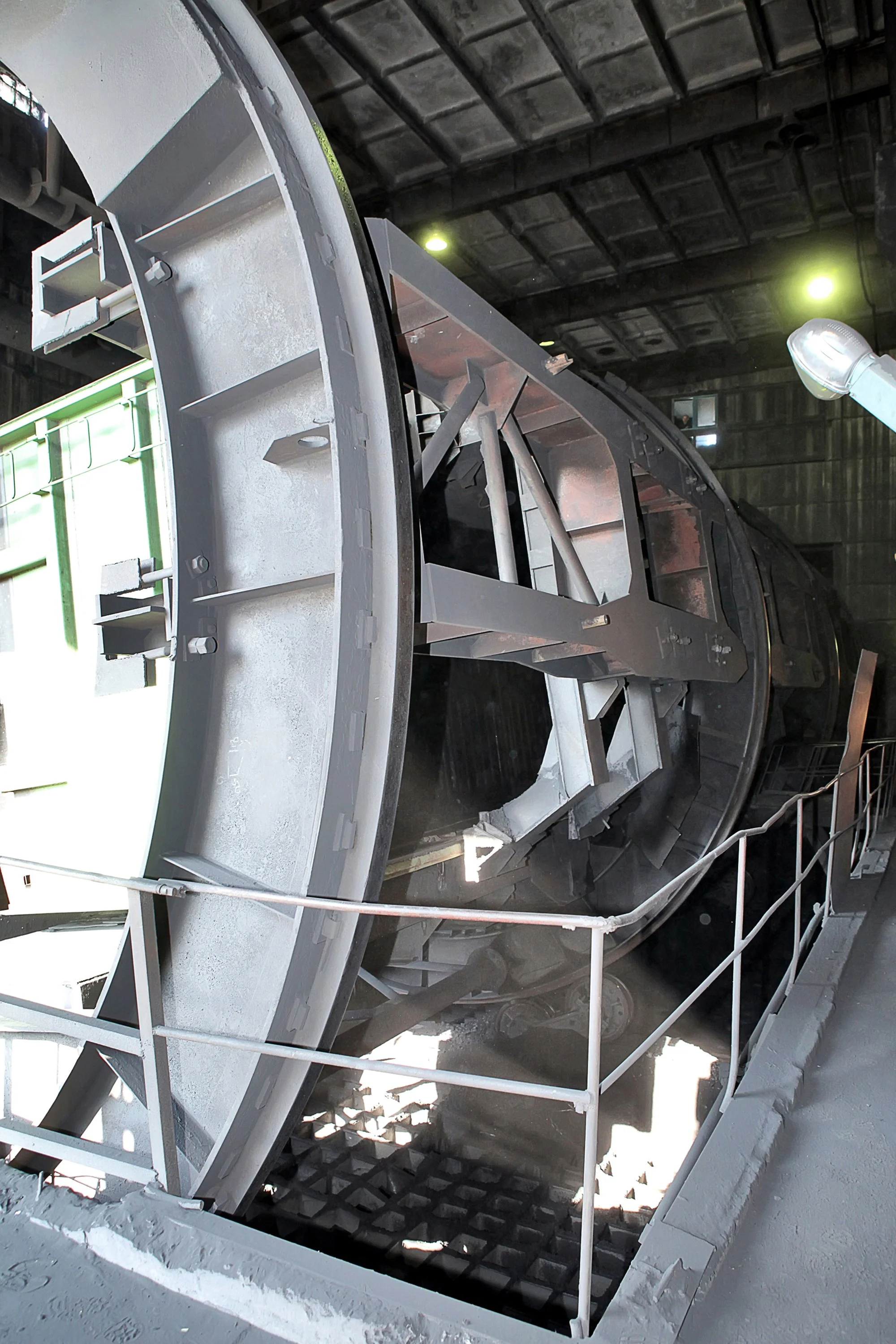
Industrial minerals processing is an energy-intensive business. At Unimin’s operations, the drying and calcining process, a core stage in transforming raw mineral feed into a marketable product, was one of the largest contributors to both operational expenditure and site energy consumption.
The process was running without the instrumentation needed to optimise it. Without real-time process data, operators had no reliable basis for adjusting parameters to match feed variability, and energy was being consumed more than process requirements.
The result: avoidable cost, unnecessary energy consumption, and higher-than-necessary emissions.
The gap was not a large capital investment - it was the right instrumentation, a rigorous business case, and the end-to-end project management discipline to turn an identified opportunity into a delivered outcome.
What Winston Green Advisory did
We led the project from inception to commissioning across five structured phases - applying the same governance rigour to a targeted instrumentation upgrade as would be expected on a major capital programme.
Phase 1: Business case development
The engagement began with a rigorous business case. We defined the scope of the instrumentation upgrade, quantified the expected process efficiency gains, modelled the OPEX saving potential, and built the financial case for investment - projecting a return on investment horizon of under twelve months.
The business case was structured to satisfy both operational and financial stakeholders, linking technical performance improvement directly to the site P&L and positioning environmental co-benefits - reduced energy use and lower emissions - as additional value drivers beyond the financial return.
Phase 2: Scope definition and design
With approval secured, the project moved into detailed scope definition. We led instrumentation selection and process integration design, working with engineering and operations teams to ensure the solution was fit-for-purpose for the specific drying and calcining duty and compatible with existing control infrastructure.
Robust scope definition at this stage was critical to keeping the project on schedule and within budget, preventing the scope creep and rework that commonly undermine ROI on process improvement initiatives.
Phase 3: Procurement and contracting
We managed procurement and contracting end-to-end, selecting and engaging instrumentation suppliers and installation contractors. Commercial terms were structured to protect the project budget and schedule commitments established in the business case.
Phase 4: Installation and commissioning
Installation was executed with minimal disruption to ongoing production - a key constraint in a continuous operating environment. We led the commissioning programme, overseeing instrument calibration, process integration testing, and operator familiarisation to ensure the system was fully operational and performance gains were realised from day one.
Phase 5: Performance verification
Following commissioning, process performance data was monitored and validated against the original business case projections. The instrumentation delivered the targeted improvement in drying and calcining efficiency, confirming the projected OPEX savings and environmental outcomes.
The outcome
The project delivered on every dimension of the original business case - financial, operational, and environmental - without compromising product quality or production continuity.
~10% reduction
In drying and calcining process operating costs - directly improving site P&L
< 12 months
Full payback from commissioning - instrumentation investment recovered through energy savings
On scope & budget
Delivered across all five phases from business case to performance verification
| Outcome | Result |
|---|---|
| OPEX Cost Reduction | ~10% reduction in drying and calcining process operating costs |
| Return on Investment | Full payback achieved within 12 months of commissioning |
| Energy Consumption | Measurable reduction in site energy use through process optimisation |
| Emissions | Lower greenhouse gas and combustion emissions from improved process efficiency |
| Project Delivery | Delivered on scope, schedule, and budget - from business case to commissioning |
The financial return was achieved without compromising product quality or production continuity. The instrumentation investment paid for itself through energy and process efficiency savings - with the environmental improvement delivered as a direct consequence of doing the core engineering work well.
Winston Green Advisory capability demonstrated
This project demonstrates that end-to-end project management discipline — from a well-constructed business case through to rigorous commissioning — is what separates a good idea from a delivered result. The capability demonstrated spans:
Business case development and financial modelling linking technical performance to P&L and environmental outcomes
End-to-end project management from concept through procurement, installation, commissioning, and performance verification
Scope definition and design governance to prevent scope creep on process improvement initiatives
Operational integration - delivering projects with minimal disruption in continuous operating environments
Demonstrated commercial return on targeted instrumentation and process optimisation investment
Engagement delivered prior to the establishment of Winston Green Advisory. Details anonymised in accordance with client confidentiality obligations.